The Monday that keeps repeating
It's 9 a.m. and your program coordinator has three progress reports pending. Every funder wants its own format, every one has its own deadline. At the next desk, your communications lead is rewriting the newsletter for the fourth time because it "needs more punch" and the deadline was yesterday. In another window, you're reviewing an international funding call with a 47-field form and a ten-day deadline. Three people doing the work of six. As always.
I know that scene well. And what frustrates me most about it is that the problem isn't the mission — the mission is extraordinary. The problem is that day-to-day management eats up so much oxygen there's little left for what actually matters.
What changes when red tape stops stealing your day
Imagine your coordinator describing the project's progress the way she would in a conversation — and the system generates the report in the funder's exact format, with figures, indicators and a structured narrative. Your communications lead says "I need a post about the impact of the 2025 scholarship program" and gets three versions in thirty seconds. You upload the funding call and get the form pre-filled with everything your organization has already documented.
This isn't a dream. It's what nonprofits are already doing once they decide their team deserves to spend its energy on the mission, not on copying data between formats.
How many more programs could you sustain if you got those hours back?
You don't need a technology department
When I say "artificial intelligence," a lot of nonprofit leaders think automatically: "that's not for us — we don't have the budget." But today's tools don't require a massive investment or a technical team. What they require is knowing which problem to tackle first.
I help you find that starting point — the one that frees up the most hours for the least effort.
How it applies to your day-to-day
Reports that don't start from zero. The system knows each funder's format — you review and adjust, instead of drafting from scratch.
Communications that land, without a marketing team. Content for social media, newsletters and campaigns adapted to your organization's tone, ready in seconds.
Grant applications without all-nighters. Forms pre-filled with information your organization already has — you only fill in what's new.
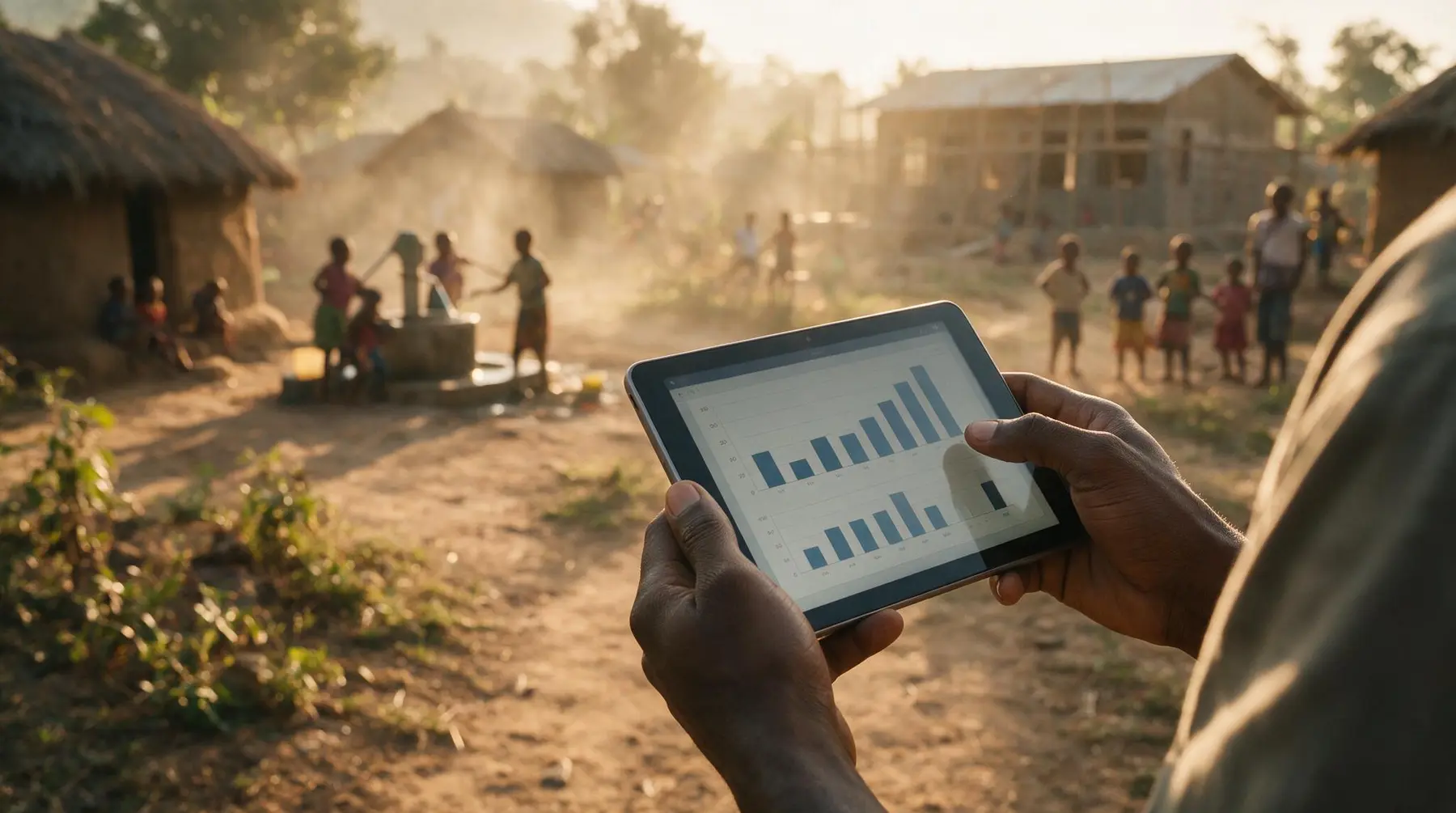
Impact data that speaks clearly. Your programs generate data — AI turns it into visualizations that show donors and partners real results.
Volunteer and beneficiary tracking. Segmented communication, alerts when a metric falls out of range, and fewer things slipping through the cracks.
Where should you start?
The first step isn't buying anything. It's understanding which of your organization's processes have the most room for improvement — and which don't. Not every nonprofit has the same pain points.
I offer a free AI Diagnostic: in about 15 minutes, we look together at where the real opportunity is. No commitment, no jargon, with a clear map of the next step.
See the AI Diagnostic →The numbers behind the moment
58-92%
of nonprofits already use AI tools in some form
NonprofitPro, 2025
7%
report a real strategic impact from AI
NonprofitPro, 2025
76%
of organizations have no formal AI policy, even though their teams already use it daily
NPTechForGood, 2025
60%
of nonprofits express strong interest in AI for grant writing and fundraising — but most haven't taken a structured first step
NonprofitPro, 2025
Who's already doing it
UNICEF didn't buy AI and turn it loose. It first defined a responsible-use framework — for what, with what ethical limits, in what contexts — and only then deployed tools to optimize aid distribution, program monitoring and communication with beneficiaries. The order matters.
Want the full analysis?
If you're interested in the most common mistakes nonprofits make when adopting AI, a decision framework for evaluating what to automate, and more sector cases, dig into our full research.
Read the full research →Next step
Let's talk about your organization's impact →
In 15 minutes we'll look together at which processes in your nonprofit can free up real hours — and which ones are worth automating first.